Eco-friendly printing: greener choices for every run
Start with the stock
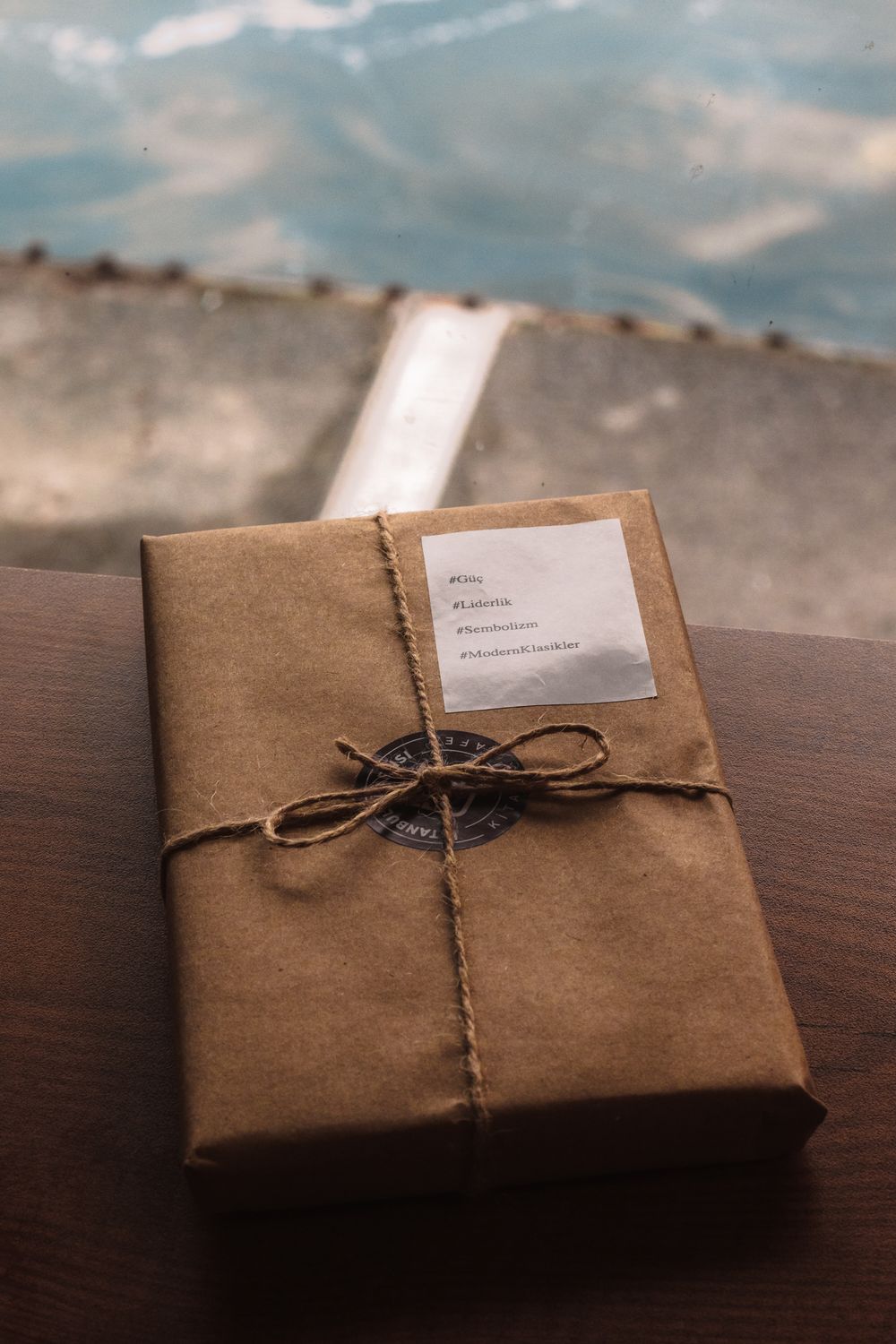
The single greenest choice you can make is the paper itself. Recycled and PCW (post-consumer waste) stocks now match virgin paper for brightness and printability, and kraft uncoated boards give packaging an honest, tactile feel while skipping bleach entirely. For most cards and boxes, a 100% PCW sheet costs only a few percent more — and tells your customers something before they read a word.
Ask for soy and water-based inks
Traditional petroleum inks work, but soy-based litho inks and water-based flexo inks release fewer volatile compounds and de-ink more cleanly at recycling time. On apparel, water-based and discharge prints go a step further: the ink bonds with the fiber instead of sitting on top, so shirts feel softer and last longer.
Design out the waste
- Gang small items onto shared sheets so offcuts shrink to slivers.
- Keep heavy ink coverage away from trim edges where cracking shows.
- Right-size boxes and mailers — empty air ships at your expense twice.
- Choose standard sizes when you can; custom dies are fun but wasteful in small runs.
Print only what you need
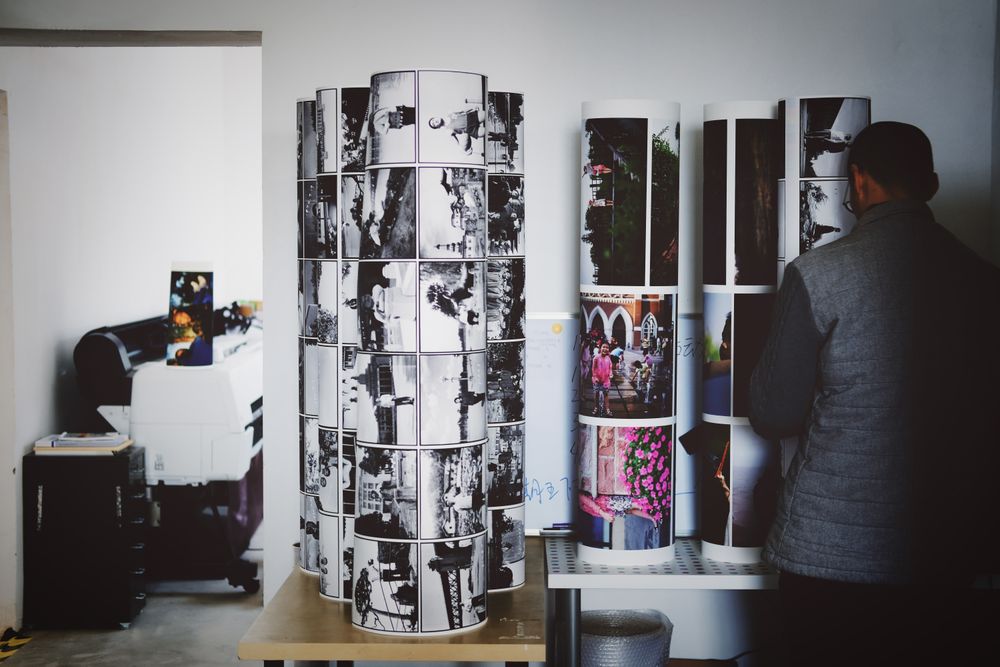
On-demand runs beat warehouse pallets. Printing 200 boxes now and 200 later uses barely more energy than printing 400 once — and none of them end up pulped when the design changes. That is the quiet superpower of a print-on-demand studio.
What we do in-house
Our studio sorts every offcut for recycling, runs recycled stocks as the default quote (not the upsell), and batches jobs onto shared sheets nightly. If you want the greenest possible version of your project, say so in the order notes — we will spec it that way and show you the tradeoff lines.